




American Revolutionary Trail
"The Redcoats are coming!" A cry heard as patriots fought the British in Westchester. George Washington commanded the war from the Hudson Valley area, living close to the troops that would bring our nation to independence. Sense the life of a patriot as you learn about Westchester's important role in the founding of our country. For more information on Westchester's history and heritage, and a calendar of events, please visit Rooted in Westchester.
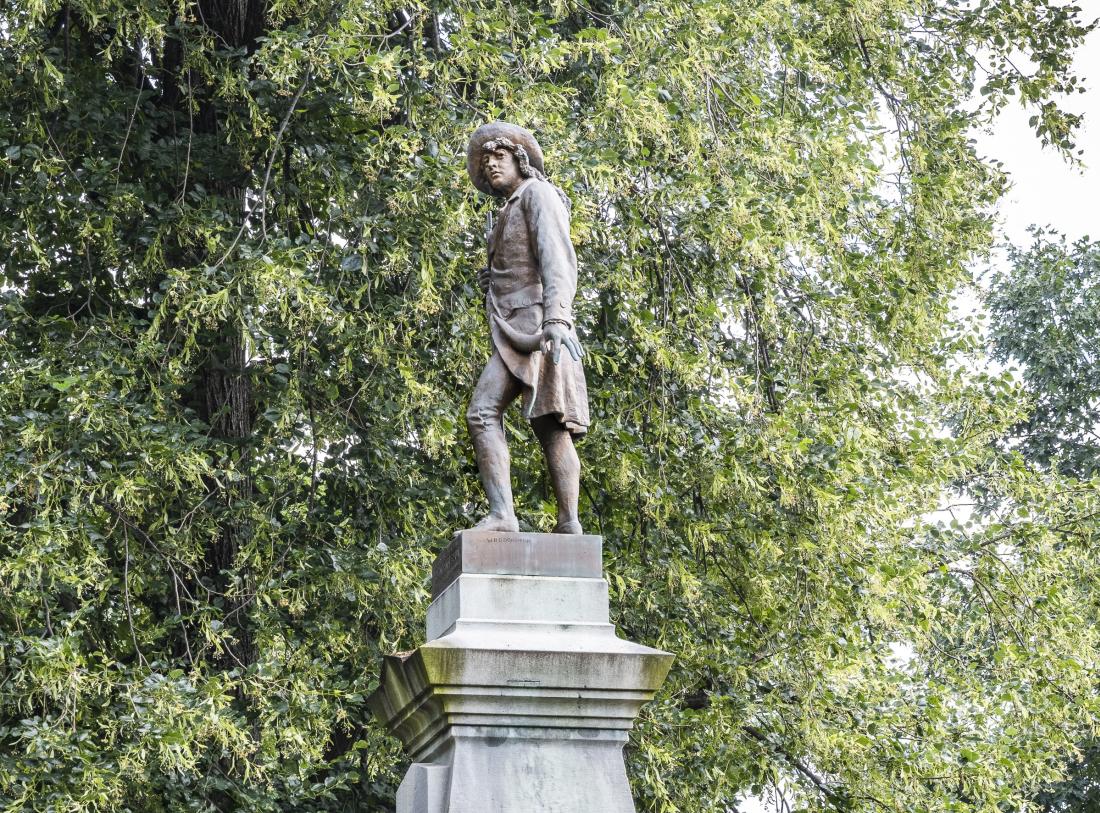
Captors Monument at Patriots Park
Sleepy Hollow
Located at the edge of Patriot's Park, a monument recalls the events of September 23, 1780, when three American militiamen, John Paulding, Isaac Van Wart, and David Williams, captured British Major John André near this spot, which resulted in the exposure of his treason.
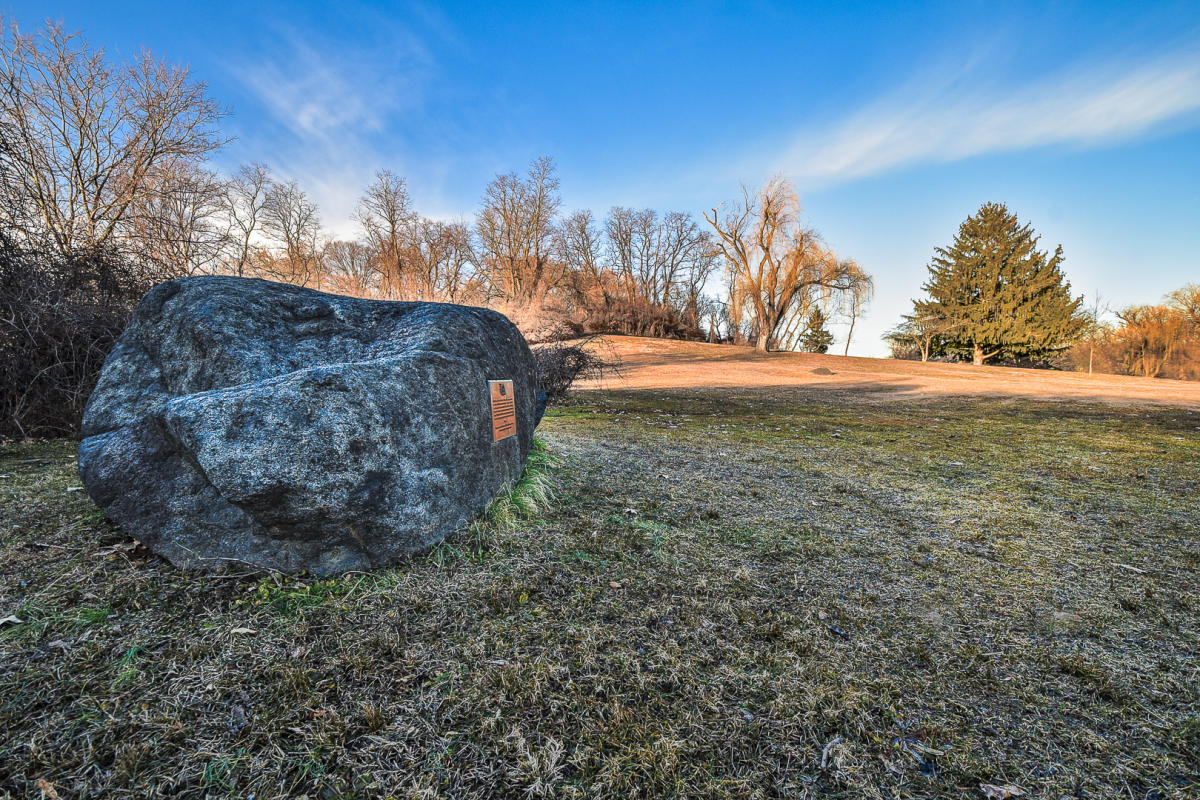
Jack Peterson Memorial
Croton-on-Hudson
The Jack Peterson Memorial acknowledges a militiaman of African descent who, in 1780, fired on a boat of British soldiers attempting to come ashore. Peterson alerted officers at Fort Lafayette, who mobilized forces. A cannon greatly damaged the British ship, which was then unable to retrieve one of its commanders who had snuck ashore. The capture of this Major Andre led to the uncovering of the Benedict Arnold plot.
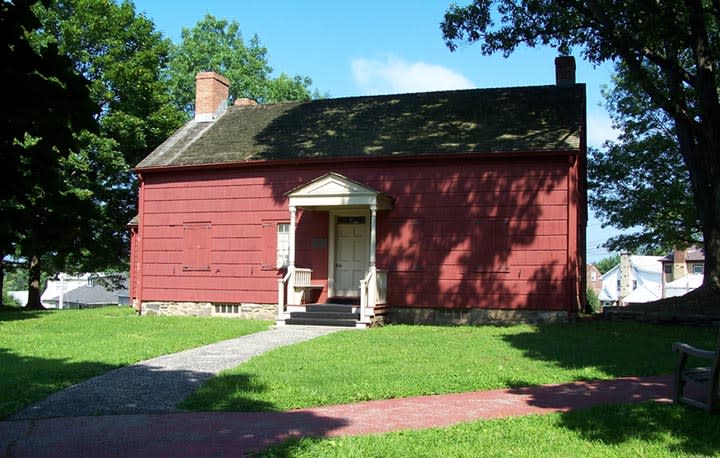
Jacob Purdy House
White Plains
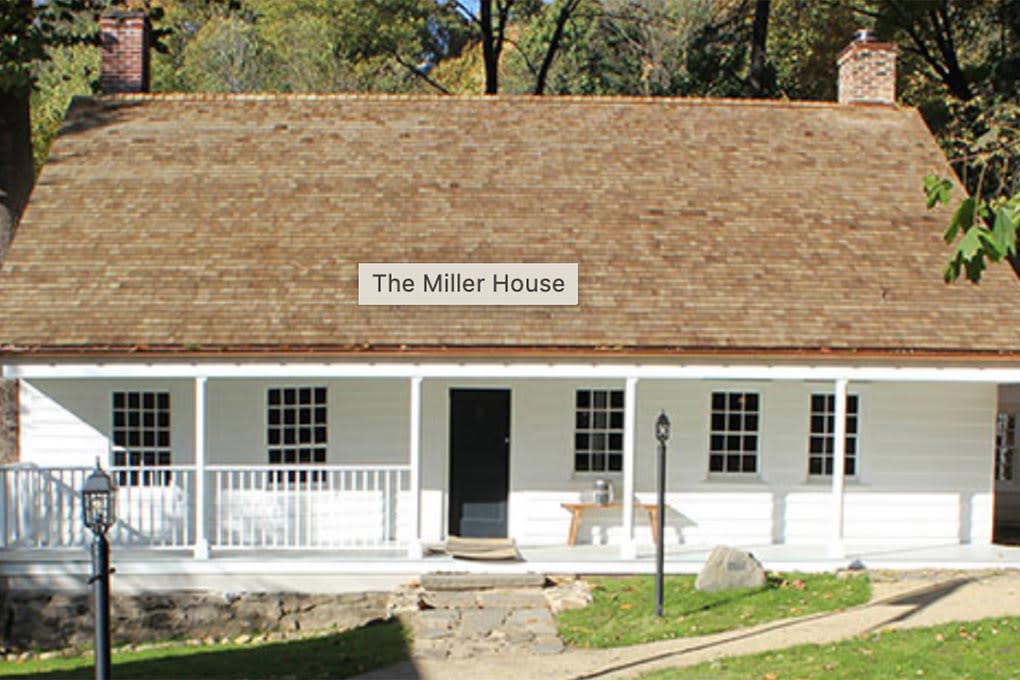
The Jacob Purdy House was used as General George Washington's headquarters in 1778 and possibly in 1776 during the Battle of White Plains in the American Revolutionary War. Originally constructed by Samuel Horton, it was purchased by Jacob Purdy's father, Samuel Purdy in 1730. It came into the possession of Jacob Purdy about 1785, in the aftermath of the war when some of the family had fled as United Empire Loyalists.
In the 1960s it was repaired and restored, and in 1973 the structure was moved to its present location. A further renovation was conducted around 1980. The Jacob Purdy House is now the headquarters of the White Plains Historical Society. The house was listed on the National Register of Historic Places in 1979.
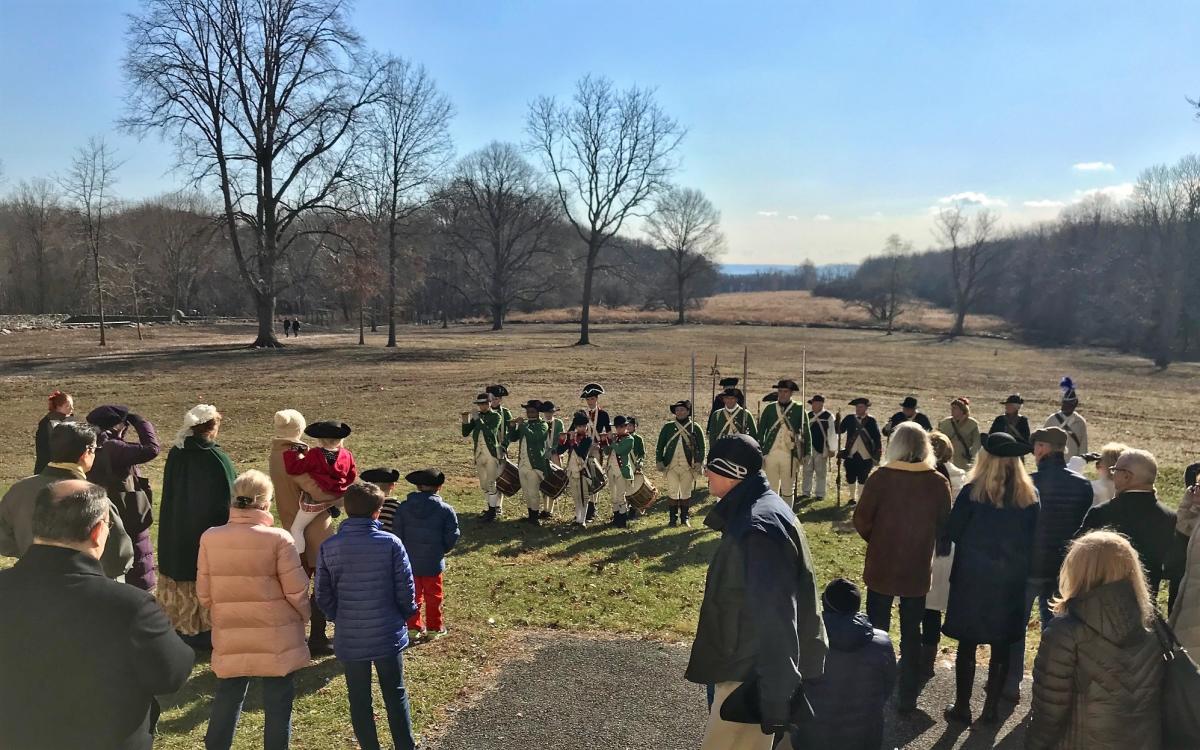
Jay Estate
Rye
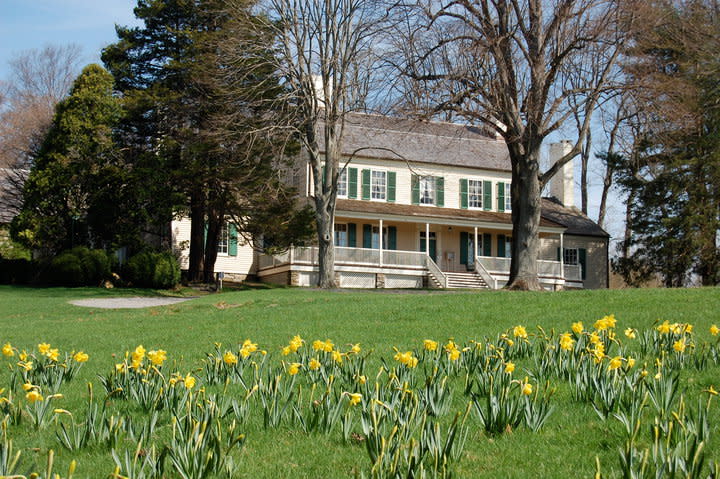
Experience American History at the ancestral home of spymaster, diplomat, peacemaker, and nation builder John Jay and 4 successive generations of his family. Follow the trails that he walked during the Stamp Act as he contemplated his role in the Americn Revolution. Discover why Jay is considered the first chief of U. S. counterespionage and how he led a spy ring in Westchester while trying your own hand at creating secret messages. Stand on the same spot where he and his family celebrated the Treaty of Paris and looked out at a new horizon for the country. Learn about Jay's efforts to abolish slavery in 1777 and the long arc of events that led to abolition. Examine our whole history through the authentic stories of the enslaved women and men who lived, worked and left their imprints at the 18th century farm. Above all, learn about the legacy of national service that generations of the Jay family continue to uphold.
John Jay Homestead
Katonah
Experience American History at the home of Founding Father John Jay and 5 successive generations of the Jay family. Do you want to learn, from a first-hand source, about the birth of our nation? Founding Father, John Jay, can enlighten you. Do the origins and changes of the antislavery movement pique your interest? You will gain perspective from John Jay’s son and grandson who were at the forefront of the movement. Discover the stories of the slaves who lived at John Jay Homestead before the family championed the abolition cause. Do you wonder what life was like for early 19th century women? John Jay’s daughters have a story to tell.
Miller House
White Plains
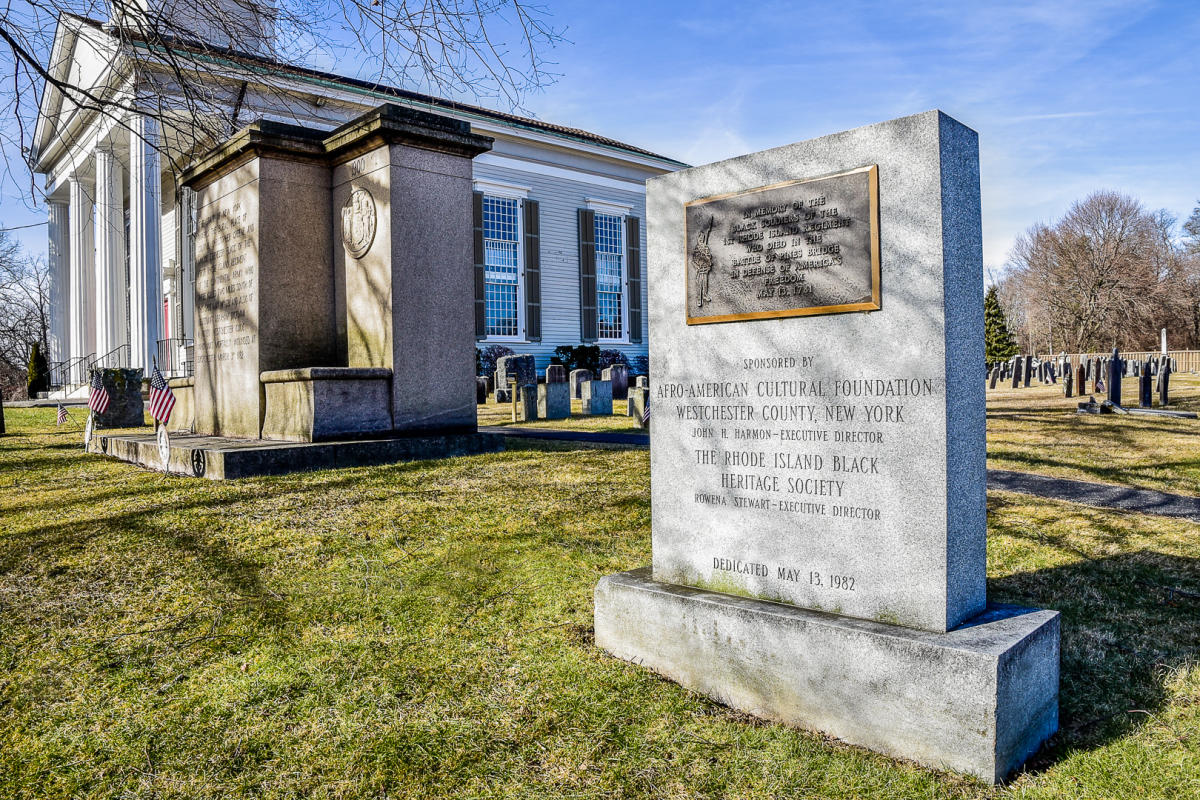
Erected in 1982 as a result of the pioneering research and activism of John H. Harmon, this monument is dedicated to the valiant and courageous soldiers of the First Rhode Island Regiment, which was composed predominantly of enslaved African American soldiers who had enlisted in the American Continental Army to earn their freedom. During the American Revolution, these men fought courageously to defend American liberty against the aggressions of British tyranny. Several dozen soldiers of the regiment were killed and wounded at the Battle of Pines Bridge in Yorktown on May 14, 1781.
Monument to First Rhode Island Regiment
Yorktown Heights
Erected in 1982 as a result of the pioneering research and activism of John H. Harmon, this monument is dedicated to the valiant and courageous soldiers of the First Rhode Island Regiment, which was composed predominantly of enslaved African American soldiers who had enlisted in the American Continental Army to earn their freedom. During the American Revolution, these men fought courageously to defend American liberty against the aggressions of British tyranny. Several dozen soldiers of the regiment were killed and wounded at the Battle of Pines Bridge in Yorktown on May 14, 1781.
Old Dutch Church and Burying Ground
Sleepy Hollow
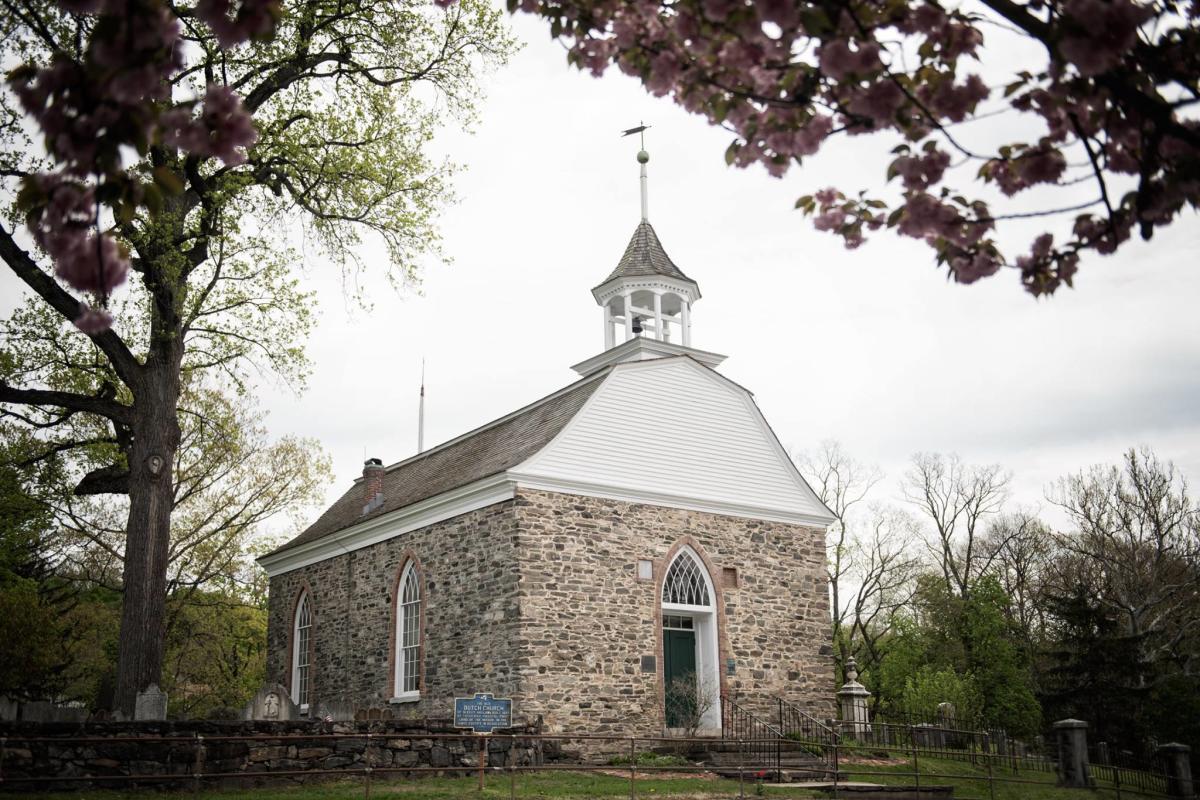
Built by Frederick Philipse in 1685, featuring a distinctive wooden pulpit and sounding-board canopy, this is considered the oldest functioning church and cemetery in the state. It is the final resting place of several American soldiers and their families, and was visited by Washington and his troops while on their way to meet Rochambeau and the French.
Philipsburg Manor
Sleepy Hollow
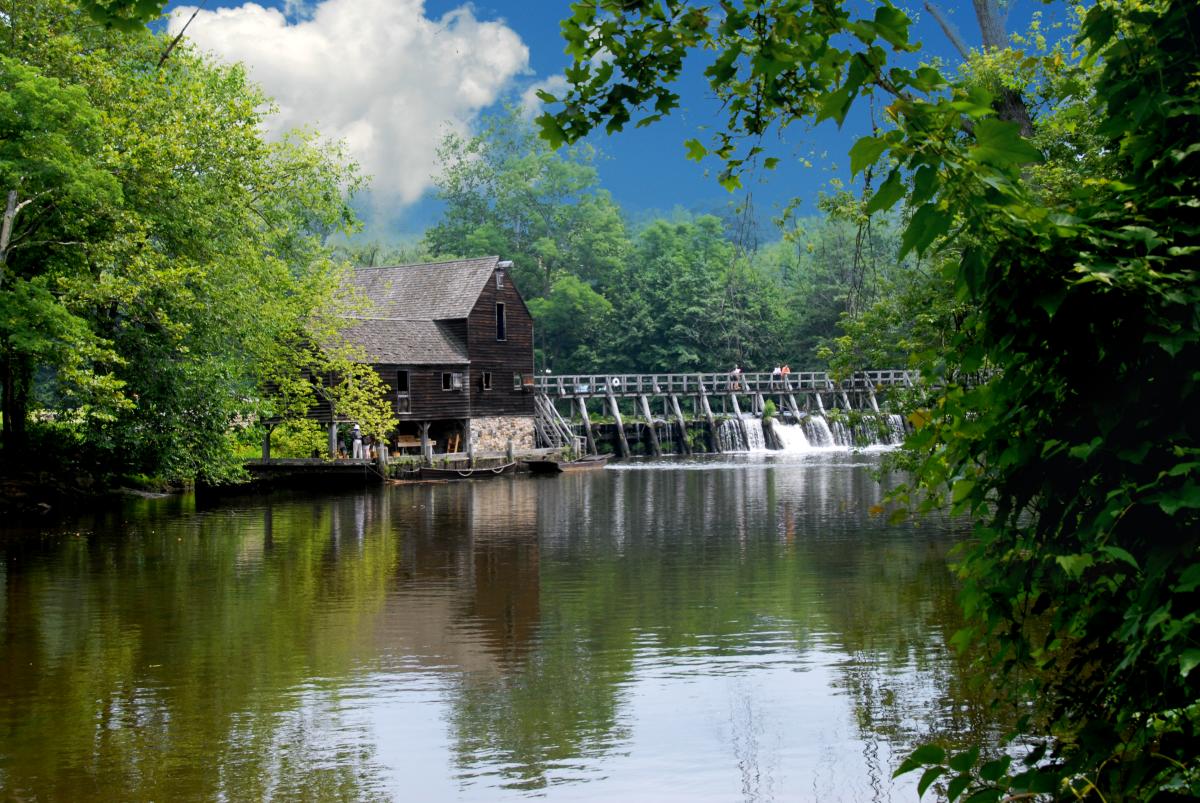
America’s slave economy wasn’t confined to the South — this once-thriving farming, milling and trading center tells the often overlooked story of slavery in the Colonial-era North. Learn about those who lived and toiled here, like Caesar, an enslaved African miller. With its pastoral setting, water-powered gristmill, hands-on activities and demonstrations of Colonial life, the Manor opens a window on a forgotten past.
Philipse Manor Hall State Historic Site
Yonkers
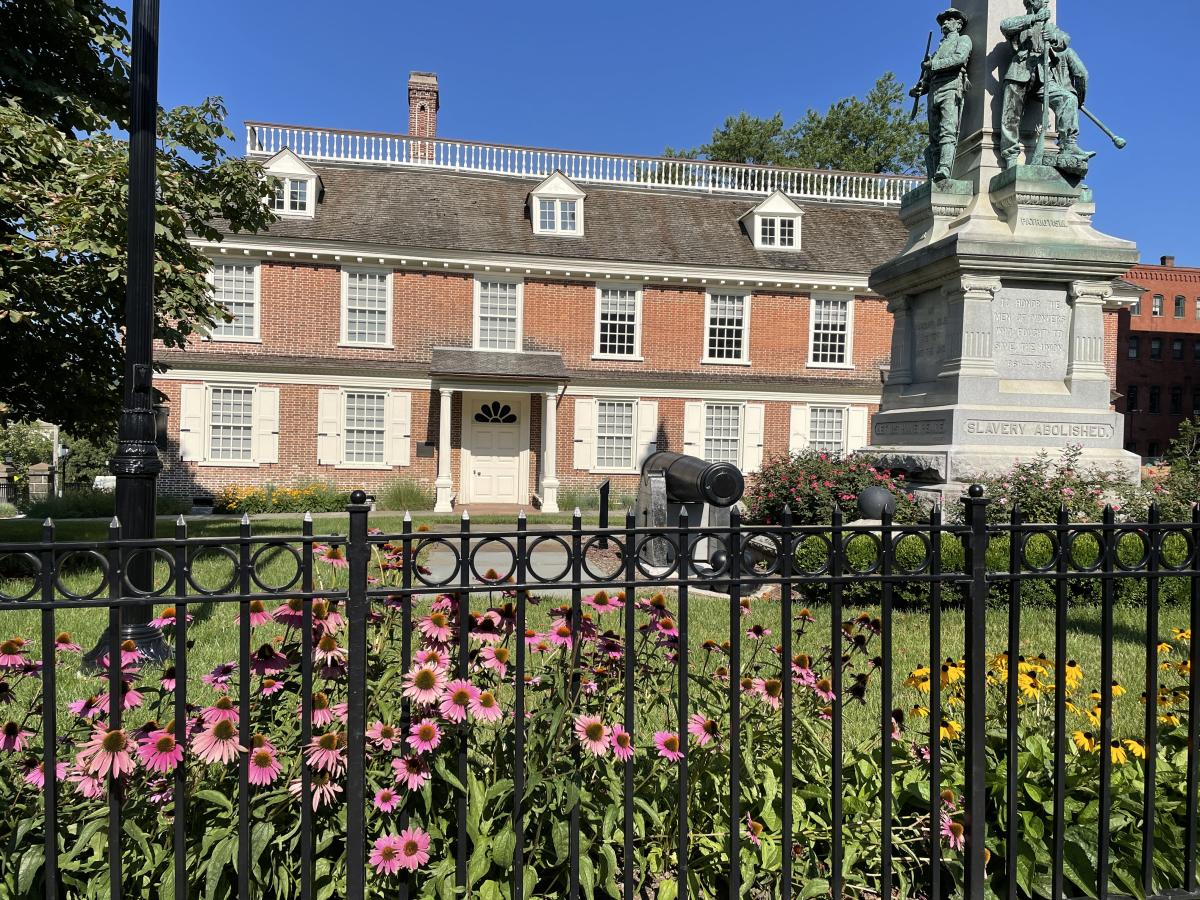
The oldest house in Yonkers, Philipse Manor Hall State Historic Site was built in three stages between the 1680s and 1750s by the Philipse family and the Africans they enslaved. The Philipses were Dutch colonists who built their wealth through fur trade with the Munsee Lunaape, a global shipping empire, and the slave trade. As the fur trade declined, they expanded their land holdings to include much of what is today Westchester and Putnam counties, populated by European tenant farmers and enslaved Africans. Once the wealthiest family in New York, the Philipses were Loyalists during the American Revolution and fled to England following the war. In the 19th century the manor hall became Yonkers City Hall, was saved from destruction in 1908, and became a historic site. Today, two floors of interactive, ADA-accessible exhibits tell the story of the confluence of cultures between the Munsee Lunaape, enslaved Africans, and European colonists on the Philipse lands.
Saint Paul's Church National Historic Site
Mount Vernon
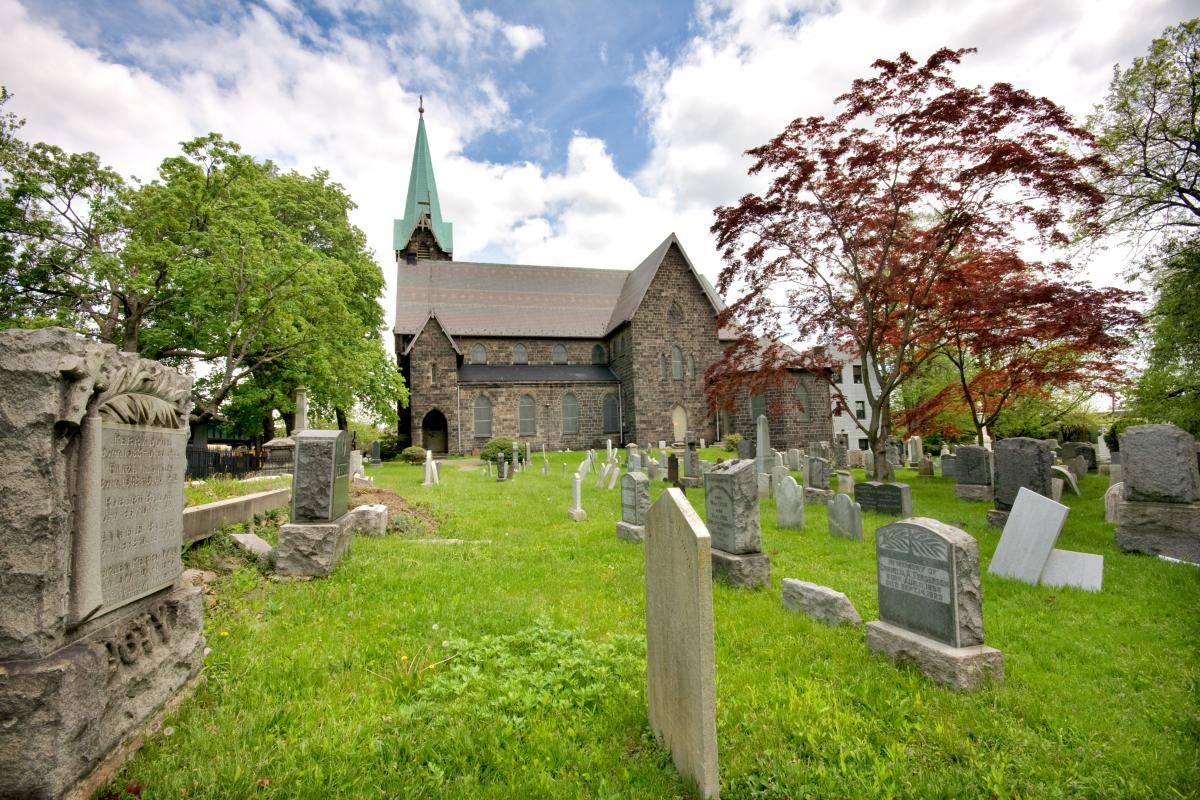
Saint Paul's Church National Historic Site is a United States National Historic Site in Mount Vernon, New York. The site was authorized in 1978. Saint Paul's Church is one of New York's oldest parishes and was used as a military hospital after the American Revolutionary War Battle of Pell's Point in 1776. The 5-acre cemetery surrounding the church is also within the historic site and contains an estimated 9,000 burials dating from 1704.
Sherwood House Museum
Yonkers
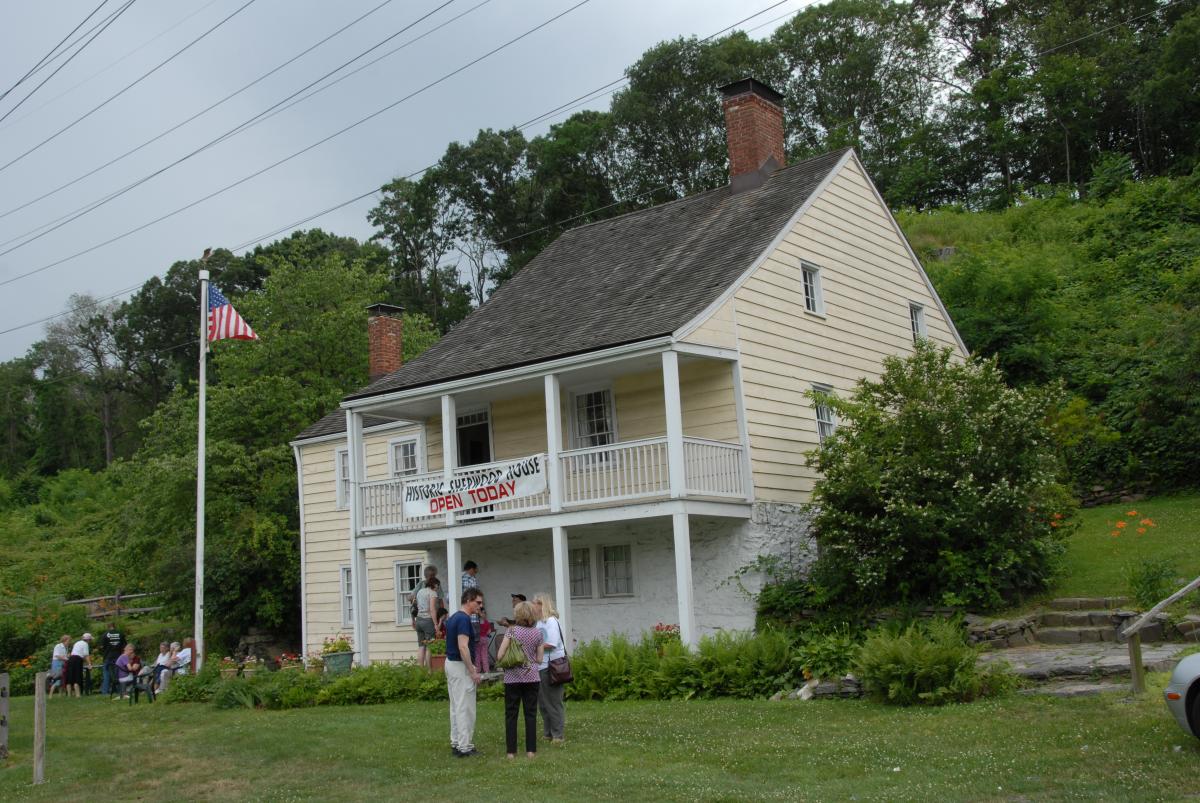
Sherwood House is one of the few remaining pre-Revolutionary War fully furnished tenant farmhouses in the New York Metropolitan area. It was built about 1740 by Thomas Sherwood on land leased from Frederick Philipse. In 1801, it was purchased by Doctor John Ingersoll, who used the house as the first doctor's office in Yonkers and then in 1962 became a museum. Historic Sherwood House, listed on the National Register of Historic Places, is owned and maintained by the Yonkers Historical Society.
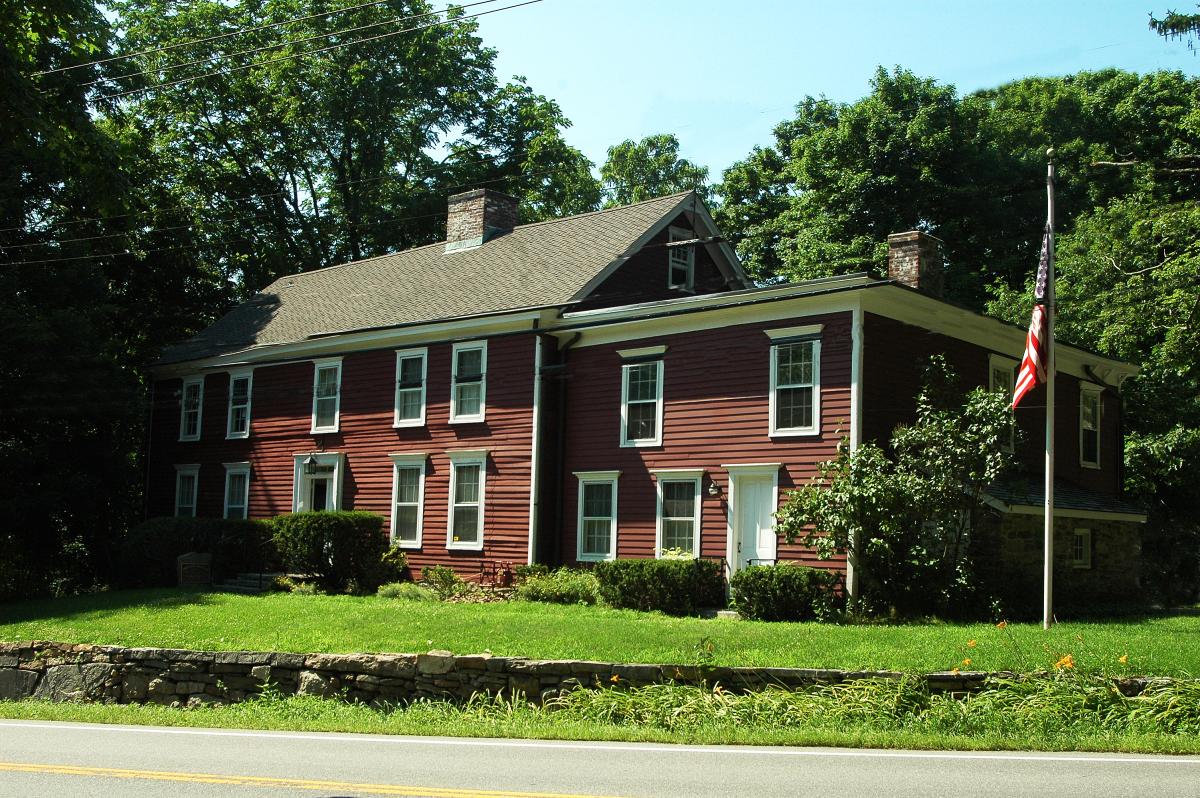
Smith's Tavern
Armonk
Preserved by the North Castle Historical Society, the tavern has a rich history as a headquarters for American militia, town hall, stagecoach stop, voting place and post office. During the 20th century, it became a restaurant, private residence and Sunday school. Today, visitors can view the meeting room and climb the stairs to see the Thorne Collection, containing household items and farm tools.
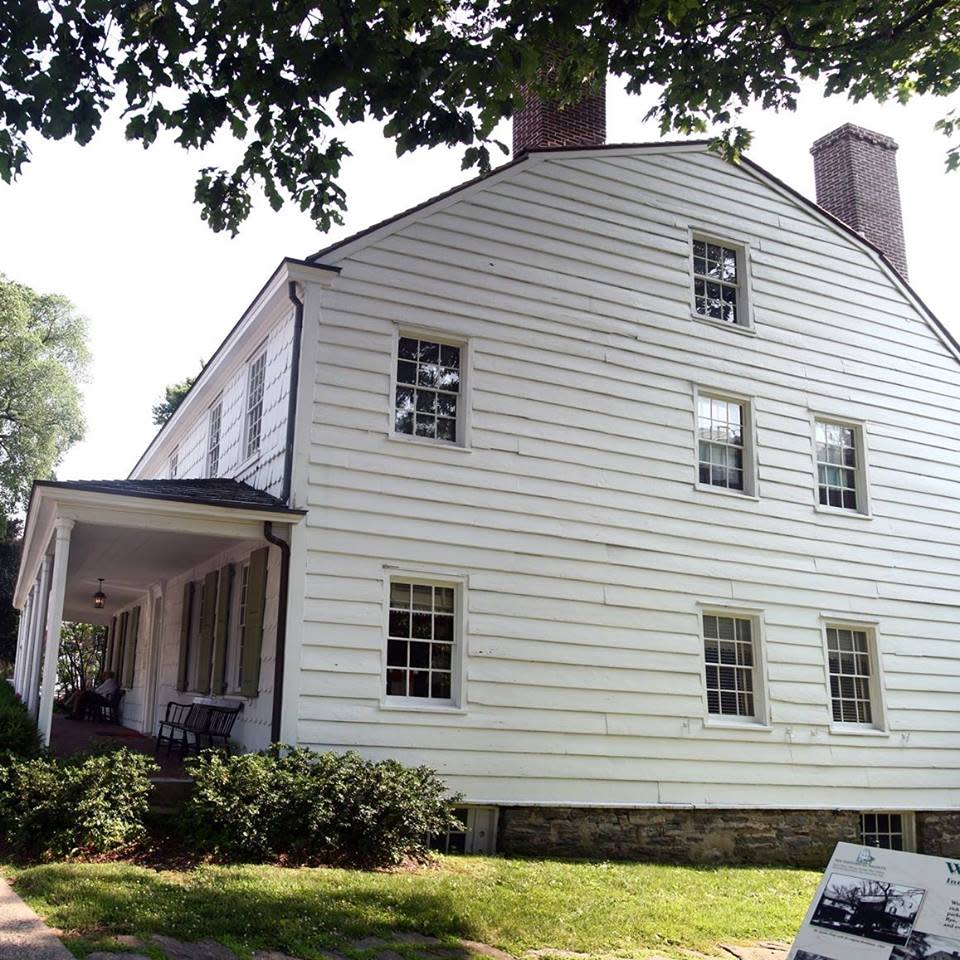
Square House Museum
Rye
Founded in 1964, the Rye Historical Society is located in the historic Square House c. 1730. Situated at the intersection of Purchase Street and the Boston Post Road, the Square House served as a tavern and inn during the mid - late 18th century. The building had several notable guests including John and Samuel Adams in 1774 and President George Washington in 1789. The Square House also served as the Municipal Hall for the Village of Rye - later the City of Rye from 1904-1964. In 1992, the Rye Historical Society acquired the Timothy Knapp House c. 1670, which is believed to be the oldest residential structure in Westchester County. In 2001, the house was opened as the Knapp House Archives and serves as the library and research facility for the Society. The collection of manuscripts, photographs, maps, and other documents are available to the public for research.
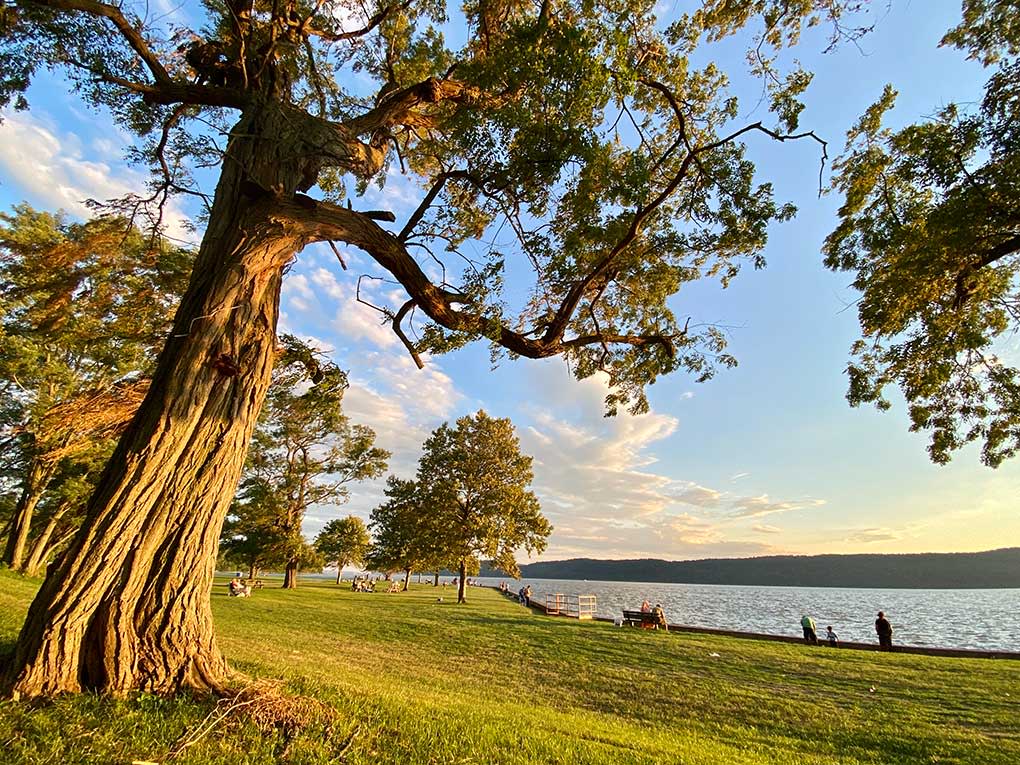
Teller's Point (Croton Point Park)
Croton-on-Hudson
Although several military actions took place here, many involving invasions by the British, the most notorious was connected with the attempted betrayal of West Point by Benedict Arnold and the capture of his British confederate, Major John Andre. Andre had conspired to meet with Arnold on board the British frigate, Vulture, which had anchored off the western end of Teller’s Point in September of 1780. Fearing for his safety, Arnold sent word for Andre to meet him on the western shore of the Hudson River at Haverstraw. While they were meeting on the opposite side of the river, American militiamen on Verplanck’s Point fired upon the Vulture with a small cannon, forcing her to move downstream. Major Andre, separated from his means of escape, crossed the river at King’s Crossing, Verplanck, clad in an American uniform and carrying a pass stating he was on official business for General Arnold. He was captured in Tarrytown and subsequently hung as a spy. The cannon that fired upon the Vulture is on display at the Peekskill Museum.
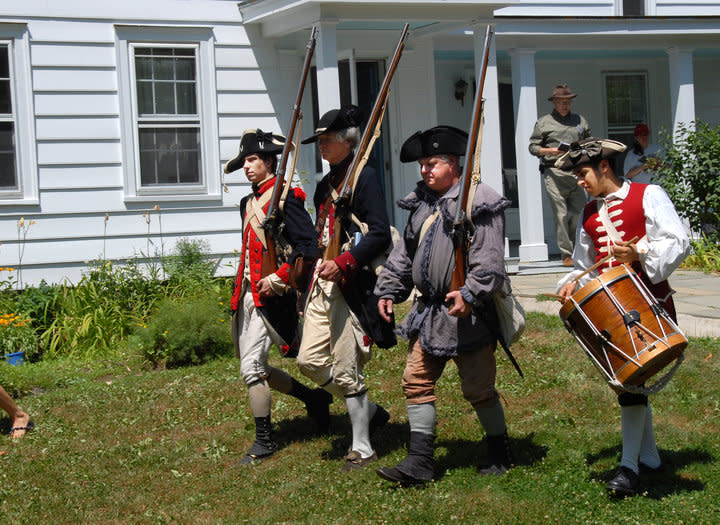
Thomas Paine Cottage
New Rochelle
The Thomas Paine Cottage is the last structure in North America that the founding father owned as his home and is open to the public as an historic house museum. The Cottage contains some of the few artifacts still in existence that were once owned by Thomas Paine, including a simple chair and a cast-iron stove given to Paine by Benjamin Franklin. The Cottage is located on the last two acres of a 300-acre farm awarded to Paine by a grateful New York State for his services in the struggle for independence. The site also includes the Sophia Brewster one-room schoolhouse, the oldest free-standing school in New Rochelle.
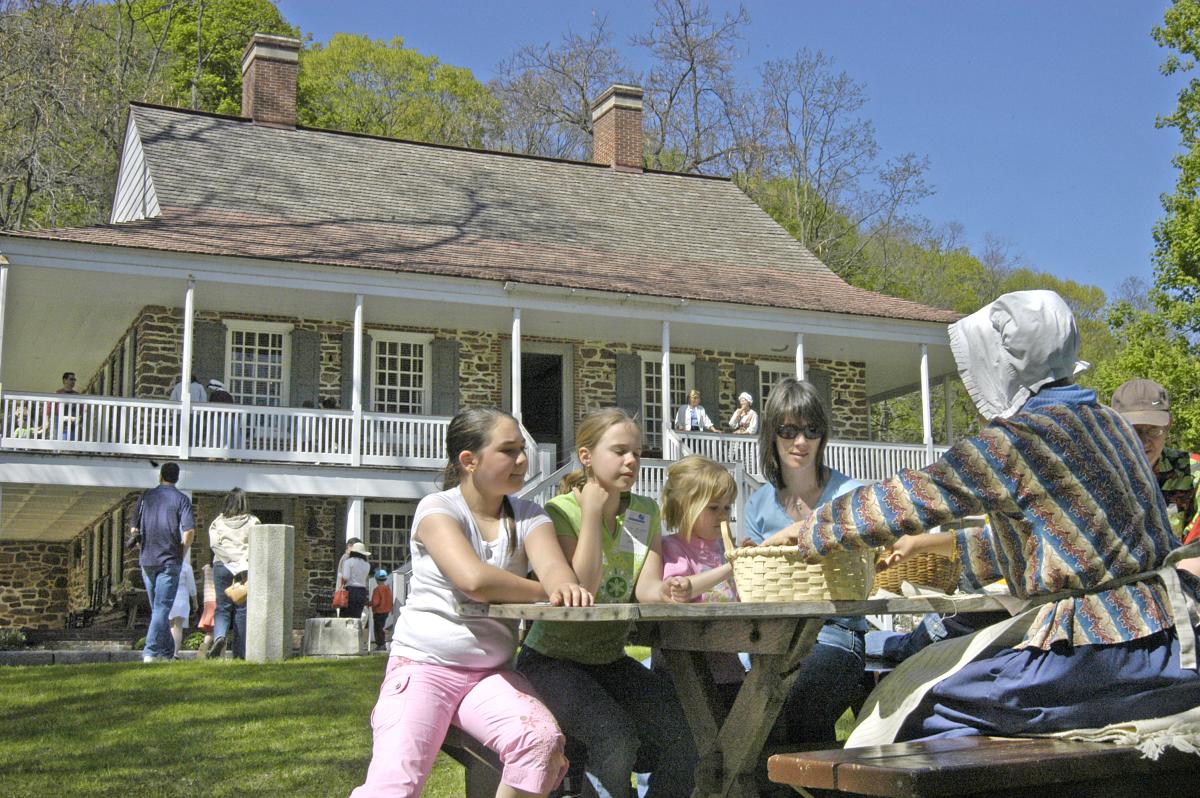
Van Cortlandt Manor
Croton-on-Hudson
Van Cortlandt Manor is currently closed while undergoing renovations.
Experience the domestic life of a patriot family living in the years just after the American Revolution - the New Nation period. The Van Cortlandts were one of New York's most prominent families, who faced and influenced pressing political issues of the time, including Federalist and Anti-Federalist debates over the drafting of the constitution. The family also grappled with religious change following the rise of evangelical religions and had to confront the controversy over emancipation, since they were slaveholders.